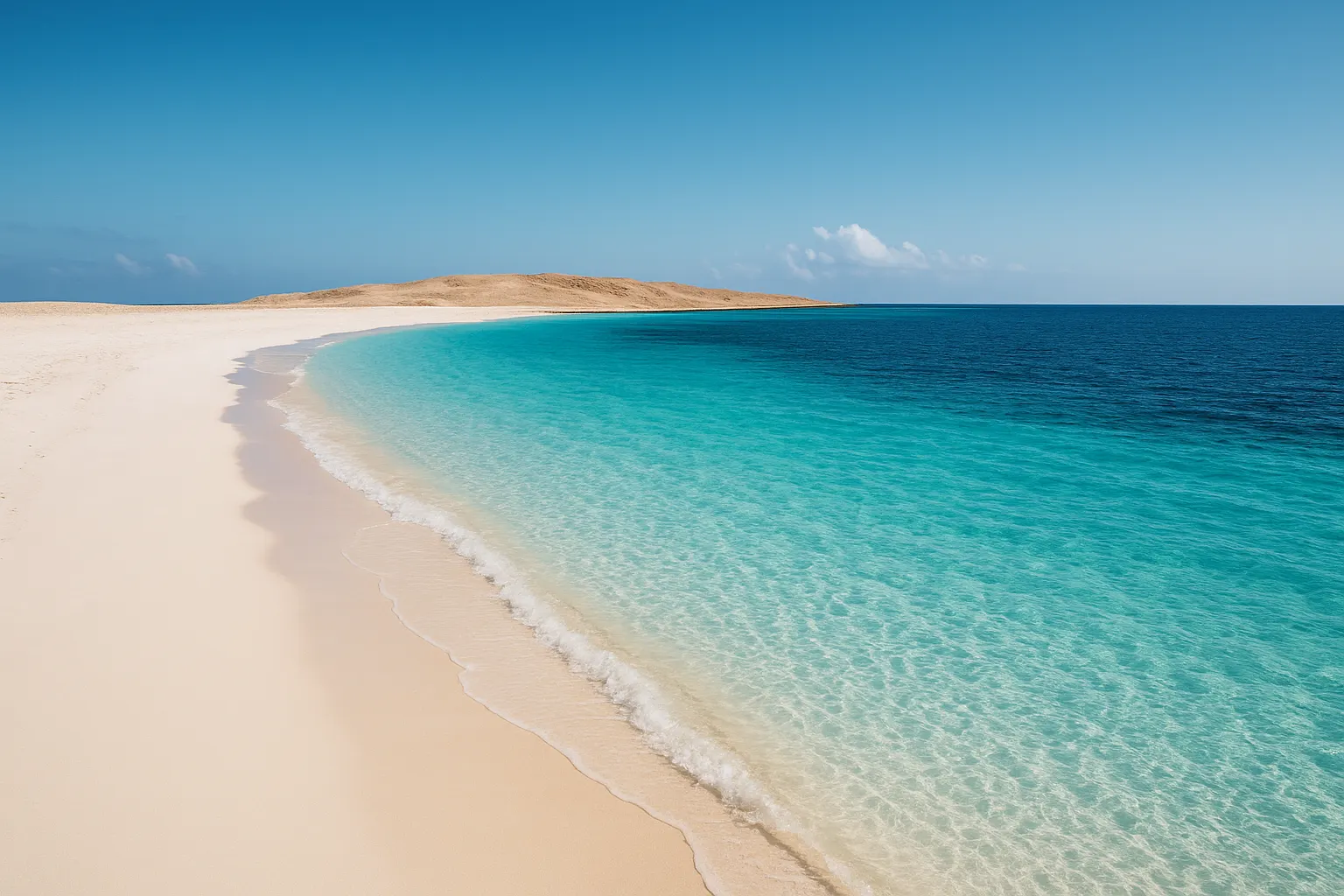
What to Pack and What to Wear in Hurghada
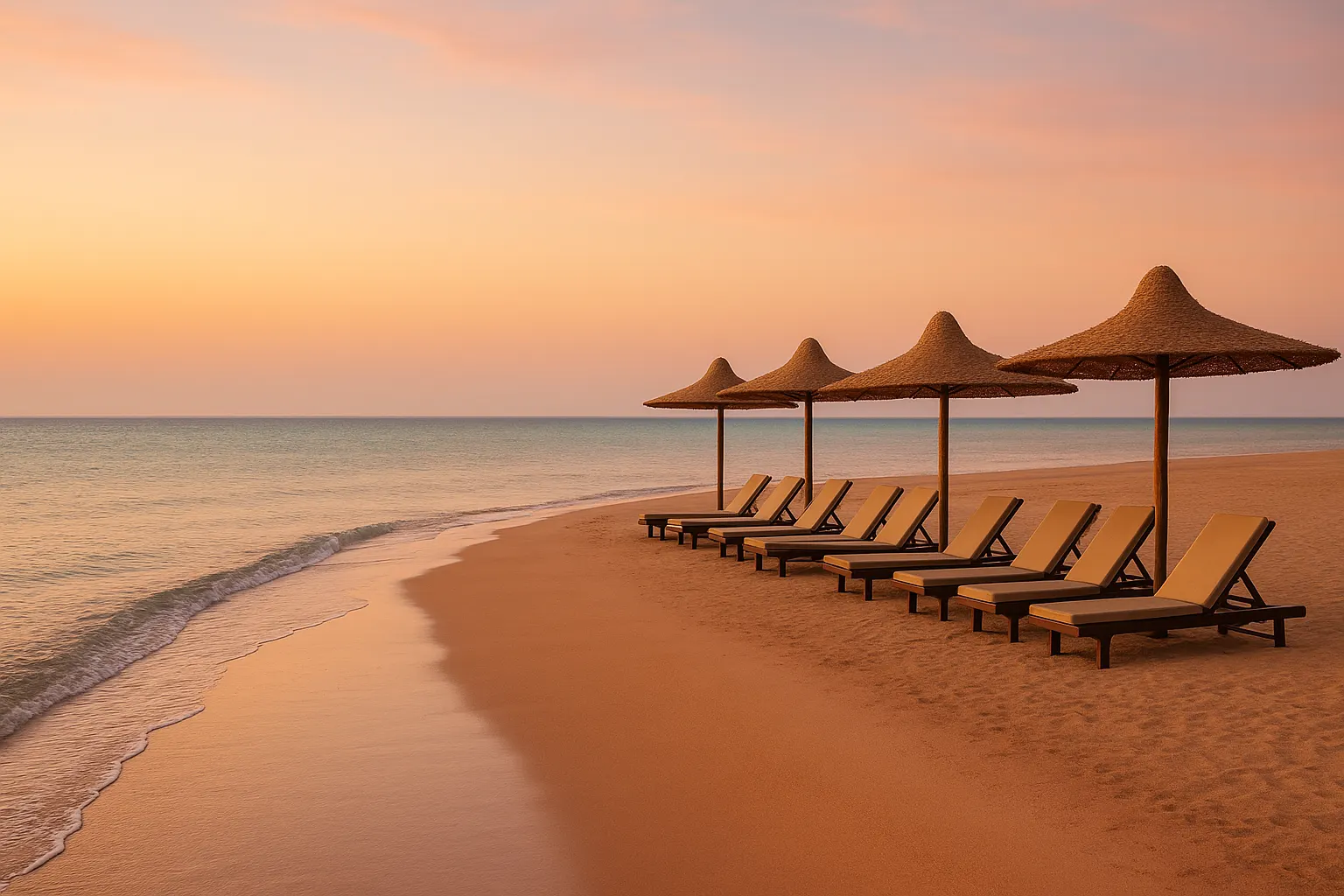
Hurghada is a resort town, and the dress code inside a resort is the dress code of any beach holiday. Step outside it and the answer changes a bit. Here is what actually matters — and the four things people forget every single week.
What to wear: the short answer
- Beach, hotel, pool, boat: whatever you would wear anywhere else. Bikinis and swim shorts are completely normal. Nobody is watching.
- In town, the souk, a local restaurant: shoulders and knees covered is the comfortable choice. Not required, not enforced — but it is respectful, and for women it noticeably reduces attention.
- A mosque: covered arms and legs; women cover their hair. If you plan to visit one, bring a light scarf.
Nobody expects a visitor to dress like a local. A light long-sleeved shirt and loose trousers will make you more comfortable in the sun anyway, which is the real argument for them.
What to wear as a woman
This is asked far more than any other packing question, so, plainly: you do not need to cover your hair, you do not need to wear long sleeves at the resort, and you will not be in trouble for wearing a bikini on a beach.
Away from the tourist areas, more covered clothing means less attention. That is not a rule and it is not a judgement — it is what women who come here regularly do, because it makes the walk through the souk more pleasant. A loose linen shirt over your shoulders is enough.
More on this in is Hurghada safe.
The four things people always forget
1. A hat, and better sun cream than you brought
This is the number one thing that ruins holidays here. It is 35–40°C in summer and the sea breeze hides how hard the sun is hitting you. People come back from a boat day genuinely burnt and lose two days of their holiday to it.
Bring a hat that stays on in wind. Bring high-factor sun cream, and more of it than you think.
2. Reef-safe sun cream
Ordinary sun cream bleaches coral. The reef is the entire reason this town exists and it is under real pressure. Reef-safe cream costs the same and works the same. Please.
3. Something warm — yes, really
Two situations:
- The desert at night. Once the sun goes down on a safari, the temperature falls off a cliff. Every single week people who have come from a 38°C afternoon stand shivering in a Bedouin camp. A fleece or a light jacket.
- Winter evenings, December to February. Days are 20–24°C and pleasant; evenings are genuinely cool.
4. Closed shoes
You cannot ride a quad in flip-flops, and we will not let you. Trainers are fine. Sand gets everywhere, so nothing you love.
The boat-day bag
- Swimwear (worn under your clothes — changing on a boat is a comedy)
- Towel
- Reef-safe sun cream and a hat
- Sunglasses
- A t-shirt to snorkel in — your back is what burns, and it burns without you noticing
- Flip-flops for the boat, and reef shoes if you have them
- Small cash in Egyptian pounds (see money and tipping)
- Seasickness tablets if you are prone — taken before you board
The desert bag
- Comfortable clothes you do not care about — you will be covered in dust
- Closed shoes
- Sunglasses (essential; sand and wind)
- Sun cream
- A layer for after dark
- Camera or phone
The quad, the Bedouin scarf and the goggles we provide. You do not need to buy any of it.
Things you do not need
- Snorkelling gear. It is included on our boat trips. Bring your own mask if you are fussy about fit — plenty of people do — but you do not have to.
- A power adapter, if you are European. Egypt uses the two-round-pin European plug.
- Formal clothes. Nowhere here needs them.
Book a Hurghada excursion
Reading is fine, but the reef is better. Every trip includes hotel pickup and is booked in one WhatsApp message.